Coffee and Your Liver: What If Your Morning Cup Is Actually Medicine?
Introduces Ildi Revi's Circular Health Coffee (CHC) framework, the 46% lower cirrhosis mortality signal at 2–4 cups/day, and the personalized paper-filter vs. diterpene tradeoff.
Most liver nutrition talks feel like a list of things you have to give up. Coffee is the rare exception: across hundreds of thousands of patients, regular coffee is strongly linked to lower liver enzymes, slower fibrosis, lower cirrhosis risk, and lower liver cancer rates.
I've lived with MASH cirrhosis for over fifteen years, and you know I have zero patience for people selling magic cures. Yet across dozens of independent studies worldwide — and pulled together brilliantly in Ildi Revi's 550-page book The Coffee Guide to Better Health (2025) — coffee keeps showing up as one of the few daily habits with real, measurable liver protection.
Here's the catch most people miss: not all coffee delivers the same health compounds to your liver. How the beans are farmed, whether they're roasted medium or charred dark, whether you pour through a paper filter or press unfiltered oils, and whether you buy clean Swiss Water decaf or stir instant crystals into hot water all change what lands in your mug. Below is the complete clinical synthesis — plus direct links to all nine articles in our Voices blog series.
Across dozens of international cohorts and meta-analyses — synthesized in depth in Ildi Revi's 550-page reference The Coffee Guide to Better Health (2025) and our 9-part Voices blog series below — regular coffee intake produces one of the most consistent protective signals in hepatology. Note that in clinical studies, one "cup" means an 8-ounce brew (so the sweet spot of 2 to 4 cups daily equals 16 to 32 ounces total, not four 20-ounce coffeehouse buckets):
| Clinical Outcome | Key Human Study Findings | Dose Pattern & Patient Takeaway |
|---|---|---|
| Hepatic Fibrosis & Cirrhosis Risk | Kennedy et al. (2016) pooled 9 studies (>430,000 participants): each +2 cups/day was associated with a 44% lower risk of cirrhosis, reaching 65% lower risk at 4 cups/day (Corrao et al. 2001 observed up to 84% lower risk; cirrhosis cohorts also show up to a 46% lower mortality risk at 2–4 cups/day). | Strongest anti-fibrotic signal appears at 2 to 4 cups/day of regular filtered coffee, slowing collagen scar progression on FibroScan and biopsy. |
| Liver Enzymes (ALT, AST & GGT) | Freedman et al. (2009) and large NHANES / UK Biobank analyses show regular coffee drinkers carry 20%–30% lower elevated ALT and AST levels across MASLD and viral liver cohorts. | Reflects quieter day-to-day hepatocyte oxidative injury and lower lobular inflammation. |
| Liver Cancer (Hepatocellular Carcinoma / HCC) | Inoue et al. (2005, JNCI, n=90,000), Bravi et al. (2007), and Larsson & Wolk (2007) all confirmed an ~20% lower liver cancer risk per additional daily cup (both caffeinated and decaf contribute). | Especially meaningful if you live with advanced F3 fibrosis or F4 cirrhosis — alongside (never replacing!) your mandatory 6-month ultrasound + AFP screening. |
| Type 2 Diabetes & Metabolic Syndrome | Ding et al. (2014, >1.1 million participants) found up to a 33% lower Type 2 diabetes risk with higher intake; EPIC-Germany observed a 30% lower T2D risk at 4+ cups of decaf (and 23% caffeinated); Poole et al. (2017) noted 9% lower metabolic syndrome. | Driven by chlorogenic acids boosting natural gut GLP-1, trigonelline slowing intestinal glucose uptake, magnesium, and higher insulin-sensitizing adiponectin. |
| Brain Health (Alzheimer's, Parkinson's & Ammonia) | 20-year Finnish CAIDE follow-up linked 3–5 cups/day in midlife to a 25%–65% lower Alzheimer's risk; caffeine's adenosine A2A blockade is tied to a 25%–30% lower Parkinson's risk, and preclinical work (Guth et al. 2022) suggests caffeine may support hepatic urea-cycle ammonia clearance. | Metabolic brain health and liver health share insulin-signaling pathways — just keep caffeine early in the day so deep night sleep stays intact. |
Not all coffee delivers the same chemistry to your liver. Revi's concept of Circular Health Coffee (CHC) asks a simple question the commercial coffee industry long ignored: what if every step — clean regenerative farming free of mold mycotoxins and pesticides, careful processing, data-informed roasting, and smart brewing — aimed to preserve the exact molecules that protect human health? Here is what is actually doing the heavy lifting inside your cup:
| Coffee Compound | What It Does in Your Liver & Metabolism | How Heat & Filters Affect It |
|---|---|---|
| Chlorogenic Acids (CGA) (500–1,000 mg/day in regular drinkers) | Coffee's flagship polyphenol antioxidant family. Slows hepatic 'oxidative rust' via Nrf2 activation, lowers liver fat accumulation, stimulates endogenous gut GLP-1, and supports protective gut bacteria. | Heat-sensitive! Water-soluble (passes easily through paper filters), but 50%–90% is destroyed by heavy dark/French roasting. |
| Caffeine (~80–100 mg per 8-oz brewed cup) | Directly blocks adenosine A2A receptors on hepatic stellate cells (Shin et al. 2010; Modi et al. 2010), putting a biochemical brake on excess collagen scar formation; also drives Parkinson's neuroprotection. | Heat-stable across light, medium, and dark roasts; passes freely through paper filters; ~97% removed in decaf. Metabolized fast or slow depending on your CYP1A2 gene. |
| Trigonelline & NMP | Alkaloid that blunts post-meal glucose spikes and protects neurons. During roasting, part converts into niacin (Vitamin B3) and N-methylpyridinium (NMP) — a compound that makes medium-to-darker roasts gentler on stomach acid! | Highest in light-to-medium roasts; NMP rises with moderate roasting, helping sensitive stomachs tolerate daily coffee. |
| Diterpenes: Cafestol & Kahweol (Natural coffee bean oils) | A genuine clinical nuance: In laboratory studies, cafestol and kahweol show anti-inflammatory, detox-enzyme, and anti-stellate properties — yet in humans they potently raise LDL ('bad') cholesterol when consumed unfiltered. | Paper filters trap ~95% of cafestol & kahweol! Metal mesh (French press) and unfiltered espresso crema let oils straight through. For most MASLD patients managing heart/LDL risk, paper filtering is the safest default. |
| Acrylamide & Mycotoxins (Processing / storage contaminants to minimize) | Acrylamide forms naturally during early bean heating; mycotoxins (like ochratoxin A) come from poorly dried, moldy commodity beans. | IARC confirms trace coffee acrylamide poses no human cancer risk (and medium roasts actually carry less acrylamide than very light roasts); buying clean, defect-free specialty/organic whole beans avoids mold toxins. |
Want the full story behind every study, compound, roast curve, and brewing test? Explore all nine articles from our Steatotic Liver Voices Blog (steatoticliver.org/blog) right here on SteatoticLiver.org:

Introduces Ildi Revi's Circular Health Coffee (CHC) framework, the 46% lower cirrhosis mortality signal at 2–4 cups/day, and the personalized paper-filter vs. diterpene tradeoff.

Walks through Kennedy et al. (>430,000 participants: 44%–65% lower cirrhosis risk), 20%–30% lower ALT/AST enzymes, ~20% lower HCC liver cancer risk per cup, and 8-oz cup dosing.

Covers Ding et al. (>1.1M adults), EPIC-Germany decaf protection, how chlorogenic acids boost natural GLP-1 and adiponectin, and why sugary coffeehouse drinks erase the benefit.

Explores 25%–65% lower Alzheimer's risk at 3–5 cups/day, 25%–30% lower Parkinson's risk via adenosine A2A blockade, CYP1A2 genetics, and preclinical urea-cycle ammonia findings.

Breaks down chlorogenic acids (500–1,000 mg/day), caffeine's stellate-cell brake, trigonelline, cafestol & kahweol oils, trace acrylamide context, and mycotoxin-free clean sourcing.

Explains what decaf keeps (polyphenols, enzyme drops, glucose & HCC protection) vs. loses, and compares Swiss Water & Supercritical CO2 against chemical solvent decaf methods.

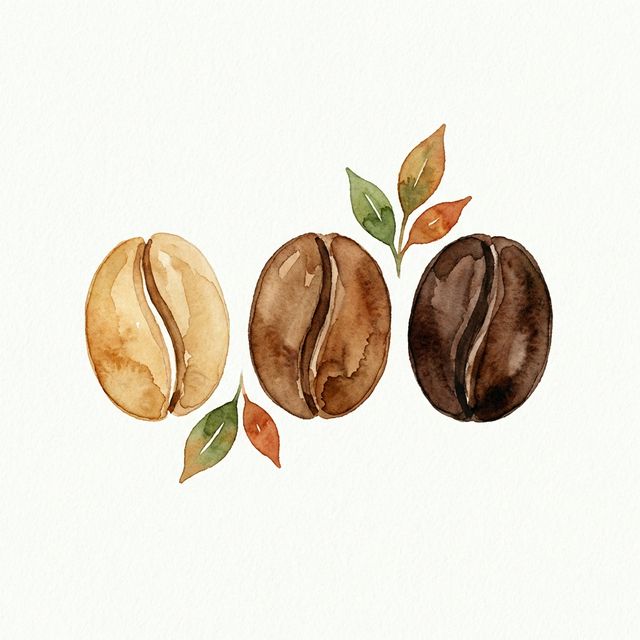
Shows why dark roasts lose 50%–90% of delicate chlorogenic acids (15–30 mg vs. 70–100 mg/cup) and why Medium Roast hits the sweet spot of antioxidants and stomach-gentle NMP.

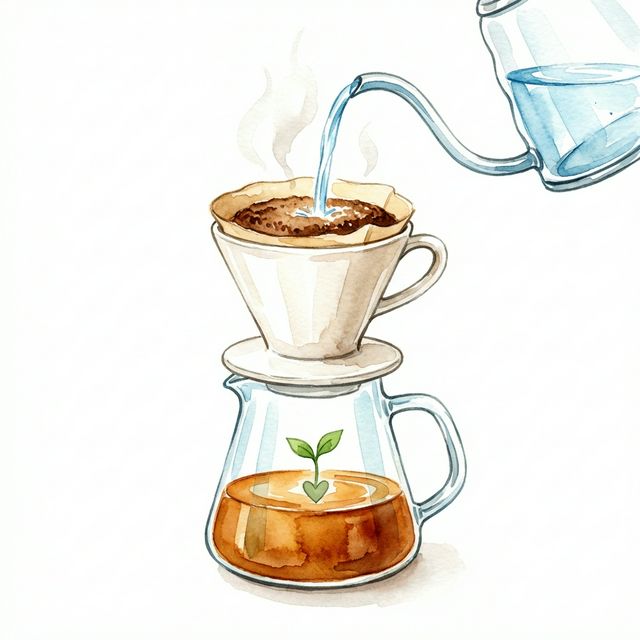
Compares paper-filtered drip/pour-over against French press, espresso, and cold brew, plus clean mineral water (98% of your cup!), airtight bean storage, and burr grinding.

Answers our community's #1 question across 4 metrics: CGA antioxidants, near-zero cafestol (LDL safe!), IARC acrylamide reassurance, and gentler caffeine for hitting 3–4 cups/day.
Never force coffee if it triggers heart palpitations, anxiety, reflux, or insomnia. Mediterranean whole foods, cutting sugary drinks, and regular movement do the foundational heavy lifting. Think of coffee as a potent, enjoyable bonus tool — and if you dislike regular coffee's jolt, clean Swiss Water decaf or unsweetened green tea still delivers rich protective polyphenols.
This is a classic personal tradeoff we unpack in Parts 1, 2, and 8 of our Voices series! Unfiltered coffee oils (cafestol and kahweol) show anti-inflammatory and anti-stellate activity in lab studies, yet they potently raise LDL ('bad') cholesterol in humans. Because heart disease is the #1 risk in MASLD, a bleached/oxygen-whitened or rinsed paper filter is the safest everyday rule — removing ~95% of LDL-raising oils while letting 100% of water-soluble chlorogenic acids and caffeine through.
A modest splash of regular milk or unsweetened soy/almond/oat milk leaves chlorogenic acid absorption largely intact — what ruins coffee's metabolic benefit is commercial flavored creamers made of corn syrup solids, hydrogenated palm/soybean oil, and 15–40 grams of added sugar!
Cold brew tends to taste smoother and less acidic on sensitive stomachs, though hot water extracts slightly more total antioxidant polyphenols than cold steeping. If you make cold brew at home, pour the concentrate through a paper filter before bottling so you still trap the LDL-raising cafestol oils!
Browse all 9 Coffee & Health installments plus Wayne's research updates and community stories.
Start at the beginning of our 9-part series inspired by Ildi Revi's The Coffee Guide to Better Health.
Systematic review demonstrating 44%–65% lower cirrhosis risk with 2–4 daily cups of coffee.
494,585-participant UK Biobank cohort confirming protective liver associations across ground, decaf, and instant coffee.