There’s one question that comes up over and over in our community:
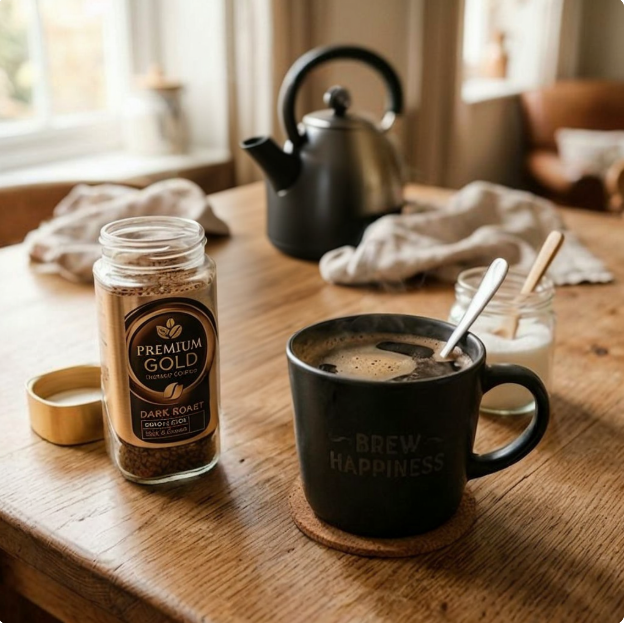
“Does instant coffee count?”
When you’re trying to hit a target of 3 to 4 cups a day for liver health, the convenience of instant coffee is hard to beat. But does the intense processing required to make those tiny dissolvable crystals destroy the health benefits?
The short answer is no. Instant coffee is still coffee, and it still protects your liver. But there are a few important differences between instant and fresh brewed coffee that you should know about.
1. Antioxidants and Chlorogenic Acid (CGA)
Winner: Brewed Coffee (by a slim margin)
The primary reason coffee is so good for your liver is its massive payload of antioxidants, specifically chlorogenic acid (CGA). CGA reduces inflammation, improves insulin resistance, and slows down the development of fibrosis.
Because instant coffee undergoes more processing—it's brewed, concentrated, and then either freeze-dried or spray-dried—it does lose some of its delicate antioxidant compounds. Studies generally show that fresh brewed coffee contains slightly more total antioxidants and CGA than instant coffee.
However, the difference isn't a deal-breaker. Instant coffee is still one of the most antioxidant-rich beverages in the standard diet. You are still getting a therapeutic dose of liver-protecting compounds with every cup.
2. The Cholesterol Factor (Cafestol)
Winner: Instant Coffee (along with paper-filtered brew)
As we discussed in the previous post on brewing methods, coffee beans contain oily compounds called diterpenes (cafestol and kahweol). While they have some anti-inflammatory properties, they are also incredibly potent at raising LDL ("bad") cholesterol. For people managing metabolic syndrome or cardiovascular risk alongside liver disease, this is a major concern.
Unfiltered coffee (like French press, espresso, and boiled coffee) contains high levels of cafestol. But if you remember the golden rule of brewing for health: use a paper filter. The paper traps the oils and keeps the cafestol out of your cup.
So, how does instant coffee stack up? Because of how it's commercially manufactured and filtered before dehydration, instant coffee contains almost no cafestol. From a cholesterol-management perspective, instant coffee is just as safe as paper-filtered drip coffee.
3. The Acrylamide Scare
Winner: Brewed Coffee
If you’ve done any reading on instant coffee, you might have seen scary headlines about a chemical called acrylamide. Acrylamide forms naturally when certain foods (including coffee beans) are roasted at high temperatures. High doses of acrylamide have been linked to cancer in animal studies.
It is true that instant coffee contains roughly twice as much acrylamide as fresh brewed coffee. The dehydration process concentrates the chemical.
But before you throw out your jar of instant, look at the absolute numbers. The International Agency for Research on Cancer (IARC) and numerous health organizations have evaluated coffee consumption and concluded that the extremely low levels of acrylamide in a cup of coffee do not pose a health risk to humans. In fact, the overall protective and anti-cancer benefits of coffee far outweigh the trace presence of acrylamide. You would have to drink an impossible amount of instant coffee to reach a dangerous threshold.
4. Caffeine Content
Winner: It depends on your needs
Instant coffee generally contains less caffeine per cup (around 30–90 mg) compared to a typical cup of brewed coffee (70–140 mg).
If you are sensitive to caffeine, prone to anxiety, or trying to manage your sleep architecture, the lower caffeine content in instant coffee can actually be a major benefit. It allows you to drink the 3 to 4 cups necessary for liver protection without overwhelming your nervous system.
If you need the intense morning jolt, brewed coffee is the stronger choice. (And remember, decaf—whether instant or brewed—still retains most of the anti-inflammatory liver benefits, minus the specific anti-fibrotic kick of caffeine itself).
The Bottom Line
If you have the time and equipment, a freshly ground, light-to-medium roast coffee brewed through a paper filter is the gold standard for health. It maximizes your antioxidant intake while protecting your cholesterol.
But if you rely on instant coffee for convenience, budget, or just because you like the taste, do not stop drinking it.
The absolute best coffee for your liver is the one you will consistently drink every day. If stirring a spoonful of instant coffee into hot water is what helps you reach your daily 3-cup target, then your liver is still reaping massive rewards.
This is part 9 of our Coffee and Health series. Explore the Wellness League and learn more about managing your liver health at fattyliverfoundation.org.