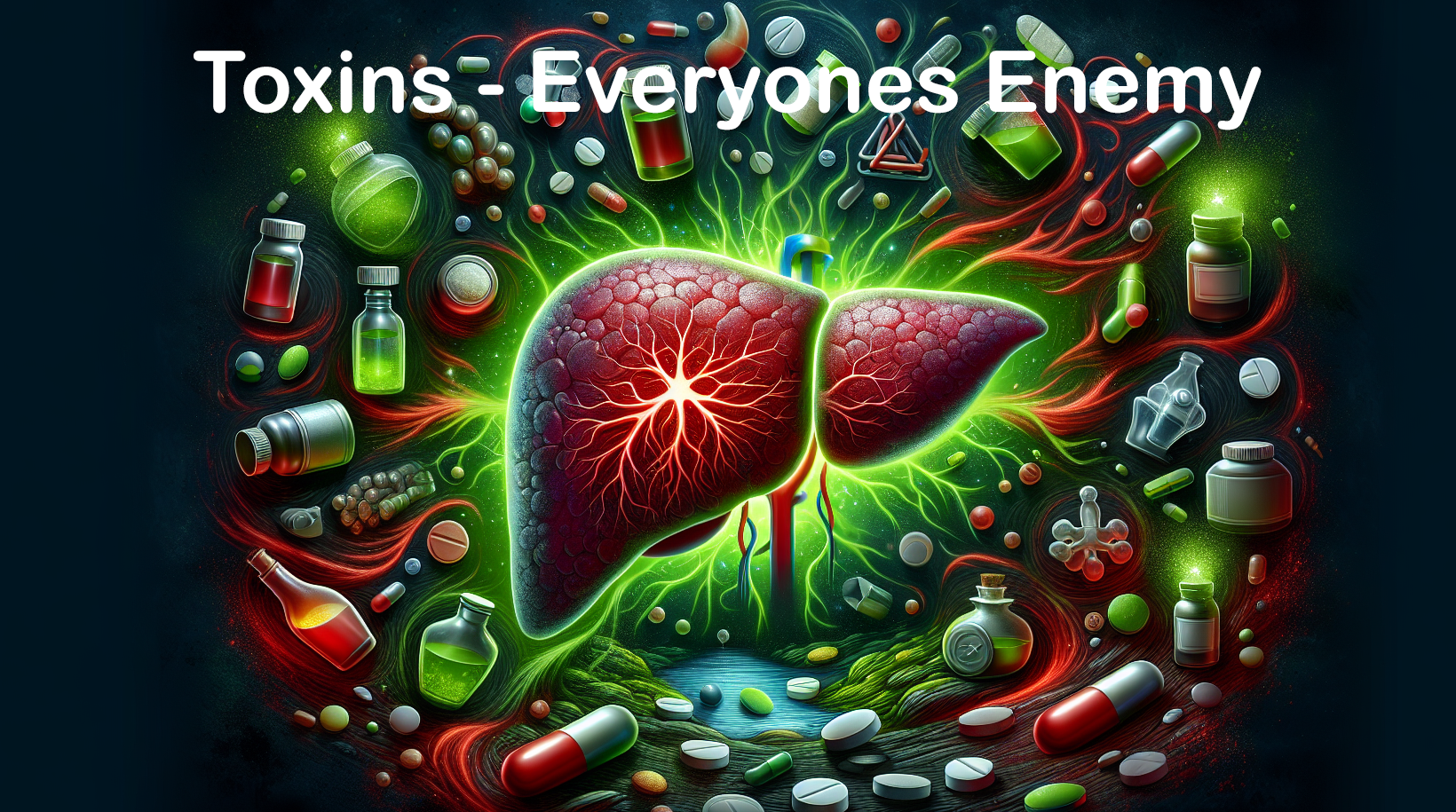
What is Toxic Hepatitis?
- Definition: Toxic hepatitis is a condition where the liver becomes inflamed due to exposure to harmful substances. These can include medications, alcohol, chemicals, or herbal supplements.
- Role of the Liver: The liver is responsible for processing toxins and removing them from the body. When these toxins overwhelm the liver's ability to detoxify, they can cause damage to liver cells, leading to inflammation.
- Key Point: Toxic hepatitis can range from mild and reversible to severe and life-threatening, depending on the level of exposure and the individual's health.
Causes of Toxic Hepatitis
1. Medications:
- Explanation: Many medications, even those available over the counter, can be toxic to the liver when taken in excessive amounts or combined with other drugs. For example, acetaminophen (Tylenol) overdose is a common cause of toxic hepatitis. Prescription drugs like antibiotics or statins may also carry risks.
- Examples: Acetaminophen, certain antibiotics (e.g., amoxicillin-clavulanate), and chemotherapy drugs.
2. Alcohol:
- Explanation: Alcohol is a well-known toxin that directly damages liver cells, especially with prolonged or excessive consumption. Over time, alcohol abuse can lead to both toxic hepatitis and chronic liver diseases like cirrhosis.
3. Chemicals:
- Explanation: Industrial solvents, pesticides, and cleaning agents can be harmful if inhaled, ingested, or absorbed through the skin. Workers in certain industries (e.g., agriculture, manufacturing) are at higher risk.
4. Herbal and Dietary Supplements:
- Explanation: Natural doesn’t always mean safe. Certain herbs and supplements, such as kava, green tea extract, or weight-loss products, have been linked to liver damage. These substances may contain compounds that are toxic or interact poorly with medications.
Risk Factors
-
Age:
- Explanation: Older adults are more vulnerable to toxic hepatitis because their liver’s ability to process toxins diminishes with age.
-
Pre-existing Liver Conditions:
- Explanation: Conditions like fatty liver disease or hepatitis B/C increase the risk of liver damage from toxins.
-
Genetics:
- Explanation: Genetic differences in how individuals metabolize drugs can make some people more susceptible to liver damage.
-
Alcohol Abuse:
- Explanation: Chronic alcohol consumption weakens the liver and makes it more prone to damage from other toxins.
-
Polypharmacy:
- Explanation: Taking multiple medications at once increases the risk of drug interactions that can harm the liver.
Symptoms of Toxic Hepatitis
-
Early Symptoms:
- Fatigue: Feeling unusually tired due to the liver’s inability to process toxins effectively.
- Nausea and Vomiting: Digestive distress is common as the body struggles to cope with toxin overload.
- Loss of Appetite: A diminished desire to eat may accompany nausea and general malaise.
-
Advanced Symptoms:
- Jaundice: Yellowing of the skin and eyes occurs when bilirubin, a byproduct of red blood cell breakdown, builds up in the blood due to liver dysfunction.
- Dark Urine: Indicates high bilirubin levels in the bloodstream.
- Abdominal Pain: Pain in the upper right side of the abdomen is caused by liver inflammation.
- Swelling in the Abdomen: Fluid accumulation (ascites) can occur in severe cases due to liver failure.
Diagnosis
-
Medical History:
- Explanation: Doctors will ask about exposure to medications, alcohol, or chemicals to identify potential causes.
-
Physical Examination:
- Explanation: Signs like jaundice or liver tenderness are key indicators of liver dysfunction.
-
Tests:
- Blood Tests: Liver function tests measure levels of enzymes (ALT, AST) and bilirubin to assess liver health.
- Imaging: Ultrasound or CT scans can reveal signs of liver inflammation or damage.
- Liver Biopsy: In some cases, a small sample of liver tissue is analyzed to confirm the diagnosis.
Treatment
1. Remove the Cause:
- Explanation: The first step is stopping exposure to the toxic substance, whether it’s a medication, alcohol, or chemical.
2. Supportive Care:
- Explanation: Rest, hydration, and proper nutrition help the liver recover and minimize further damage.
3. Medications:
- Explanation: Specific antidotes may be used depending on the toxin. For example, N-acetylcysteine is effective in reversing acetaminophen toxicity.
4. Severe Cases:
- Explanation: In cases of acute liver failure, hospitalization is required. If liver damage is irreversible, a liver transplant may be the only option.
Prevention
-
Medication Safety:
- Explanation: Always follow prescribed doses and avoid taking multiple medications without consulting a doctor.
-
Limit Alcohol Consumption:
- Explanation: Drinking in moderation or avoiding alcohol entirely can significantly reduce the risk of toxic hepatitis.
-
Avoid Toxins:
- Explanation: Use protective gear when handling chemicals and avoid prolonged exposure to industrial toxins.
-
Be Cautious with Supplements:
- Explanation: Consult a healthcare provider before using herbal remedies or dietary supplements, especially those marketed for weight loss or bodybuilding.
-
Regular Check-ups:
- Explanation: Routine liver tests can help detect early signs of damage, especially for individuals at higher risk.
Prognosis
-
Mild Cases:
- Explanation: Toxic hepatitis caused by short-term exposure to toxins is often reversible with timely treatment.
-
Severe Cases:
- Explanation: Prolonged or severe exposure can lead to chronic liver disease, liver failure, or even death.
- Key Point: Early detection and intervention are critical for recovery.
Key Takeaways
- Toxic hepatitis is preventable with proper precautions.
- Avoid self-medicating or exceeding recommended doses of medications.
- Seek medical attention if you notice symptoms like jaundice, dark urine, or abdominal pain.
- Regular check-ups are essential for those at higher risk.
References & Patient Resources
Educational Resources
-
American Liver Foundation
- Website: www.liverfoundation.org
- Offers detailed information about liver diseases, including toxic hepatitis, prevention tips, and treatment options.
-
National Institute of Diabetes and Digestive and Kidney Diseases (NIDDK)
- Website: www.niddk.nih.gov
- Provides comprehensive guides on liver health, toxic hepatitis, and related conditions.
-
Centers for Disease Control and Prevention (CDC)
- Website: www.cdc.gov
- Includes resources on preventing exposure to toxins and maintaining liver health.
Support Groups
-
Liver Health Support Groups
- Check for local or online support groups through the American Liver Foundation or social media platforms like Facebook.
-
Alcohol and Drug Rehabilitation Programs
- For those with toxic hepatitis related to substance abuse, organizations like Alcoholics Anonymous or SAMHSA can help.
Medication Safety
-
FDA Medication Guides
- Website: www.fda.gov
- Learn about safe medication use and potential risks to liver health.
-
Poison Control Hotline
- Phone: 1-800-222-1222
- Immediate assistance for suspected toxic exposures.
Patient-Friendly Articles
-
Mayo Clinic - Toxic Hepatitis
- Website: www.mayoclinic.org
- Easy-to-understand articles about symptoms, causes, and treatment options.
-
WebMD - Liver Disease Overview
- Website: www.webmd.com
- Provides patient-friendly explanations of toxic hepatitis and liver health.