We're looking for patient advocates who want to do more than just survive
I want to tell you about something I’m genuinely proud of, and something I think could change your life if you’re the right person for it.
We just opened applications for Year 2 of the Dr. Stephen A. Harrison Patient Advocacy Fellowship. If you haven’t heard of it, let me explain what it is and why it matters — to you personally, and to everyone living with liver disease.
Read moreInstant vs. Brewed Coffee: Is one actually better for your health?

There’s one question that comes up over and over in our community:
“Does instant coffee count?”
Read moreCoffee and Your Liver, what if your morning cup is actually medicine?
I’ve written about coffee before. If you’ve been following the foundation for a while, you know I’m a fan. The research is pretty clear — 2 to 4 cups a day is associated with lower liver enzymes, reduced fibrosis progression, and in people with cirrhosis, a 46% lower risk of mortality. Those are real numbers from real studies.
What does the science actually say about coffee and your liver?
I’ve had NASH cirrhosis for 15 years now. When I was first diagnosed, the conversation with my doctor was brief and not encouraging. Lose weight, exercise, don’t drink alcohol. That was about it. No drugs, no therapies, no real plan.
Can your morning coffee really help prevent type 2 diabetes?
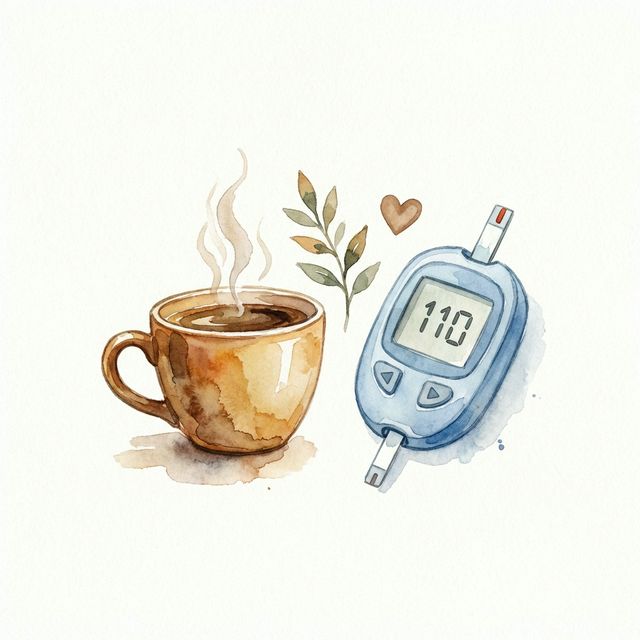
If you have fatty liver disease, there's a very good chance you're also dealing with metabolic syndrome or type 2 diabetes. They travel together. In my experience talking with thousands of patients over the years, the overlap is enormous. The insulin resistance that drives MASLD is the same insulin resistance that drives type 2 diabetes. They're different expressions of the same underlying problem.
Coffee and your brain — what Alzheimer’s and Parkinson’s research is telling us
I'm 83 years old. I've NASH cirrhosis and multiple myeloma. When people ask me what I worry about most, they expect me to say cancer or liver failure. But honestly? I think about my brain a lot. At my age, the prospect of cognitive decline is never far from your mind. (No pun intended, but I'll take it.)
What's actually in your coffee? The compounds that matter
Over the past few posts, I've been throwing around terms like "chlorogenic acids" and "polyphenols" without really explaining what they are. It's time to fix that. Because if you're going to drink coffee partly for the health benefit — and the evidence says that's a reasonable thing to do — you ought to know what's actually doing the work.
Decaf — does it still protect your liver?

I get asked about decaf a lot. "Wayne, I read your post about coffee, but I can't handle caffeine — does decaf still help?"
Roasting — how dark is too dark for your health?
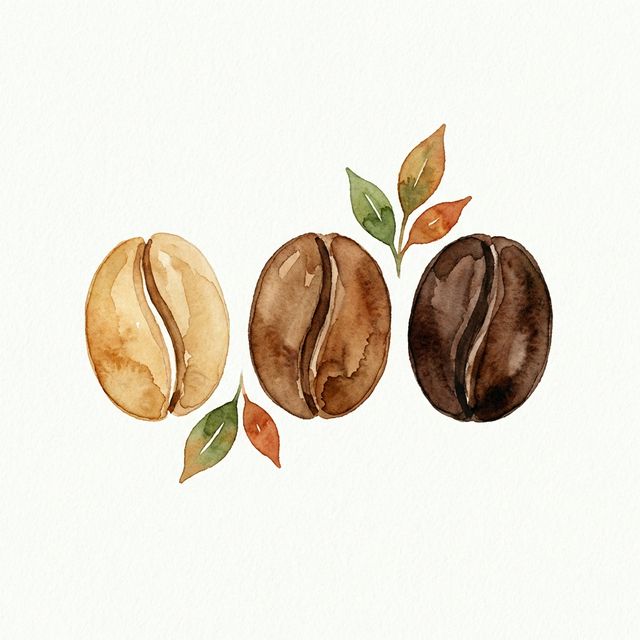
Up until now in this series, I've been talking about what's in coffee and what it does for you. But there's a piece of the puzzle that most people overlook completely: what happens to those compounds between the green bean and your cup.
Brewing for health — does how you make your coffee actually matter?

We've spent this whole series talking about what's in coffee and how growing, processing, and roasting affect the health compounds. But there's one more step — the one you control directly every morning — that determines what actually ends up in your body.